Wisdom Teeth Removal
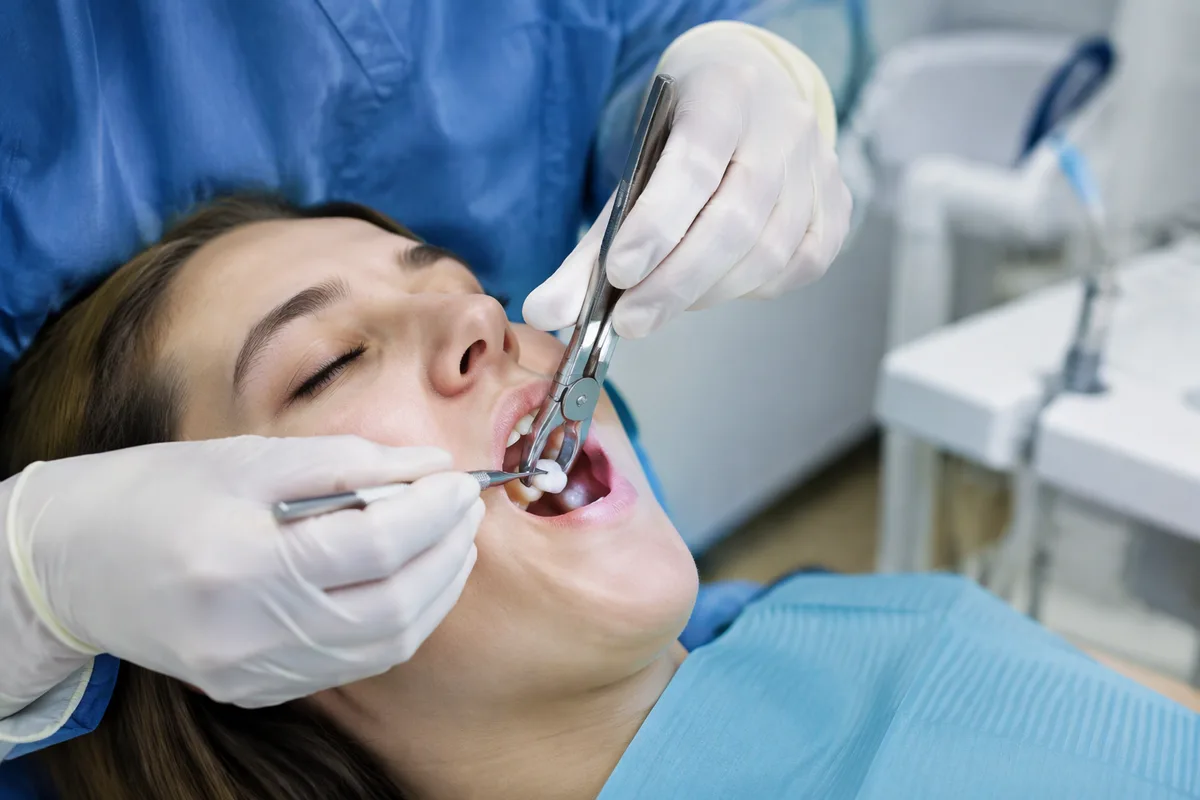
Wisdom Teeth Removal
Wisdom teeth, also called third molars, are the last teeth to come in, usually in the late teens or early twenties. Many mouths don't have enough room for them, so they can grow in crooked, stay partly covered by gum, or remain trapped in the jaw. Removal is a common way to deal with these problems.
Why wisdom teeth are removed
- Impaction — the tooth can't fully emerge and stays under the gum or bone.
- Crowding — a tooth pushes against neighboring teeth that have no space to give.
- Gum infection — a partly erupted tooth can trap food and bacteria, leading to swelling and tenderness.
- Decay — wisdom teeth are hard to reach with a brush and floss, so cavities can develop in them or in the tooth next to them.
Evaluating your wisdom teeth
Not every wisdom tooth needs to come out. Whether removal makes sense depends on the tooth's position, your symptoms, and the health of the teeth around it. Digital X-rays are part of our comprehensive dental examination, so we can see how your teeth and the surrounding structures look beneath the surface. Dr. Sami Hersel emphasizes educating patients, and you can expect your options to be explained so you understand them.
Questions to bring to your visit
If you have jaw soreness, swollen gums, or pressure at the back of your mouth, let us know. You may also want to ask about:
- Sedation — sedation dentistry is one of our services, so ask whether it fits your situation.
- Recovery — ask what to expect afterward and how to care for the area.
- Costs — ask our team about fees and payment options.
This content is for general information only and isn't dental or medical advice. Talk with your dentist or orthodontist about your own situation. If you have a medical emergency, call 911.