Welcome to
Brilliant Dental Group!


Location & Hours

Our Services
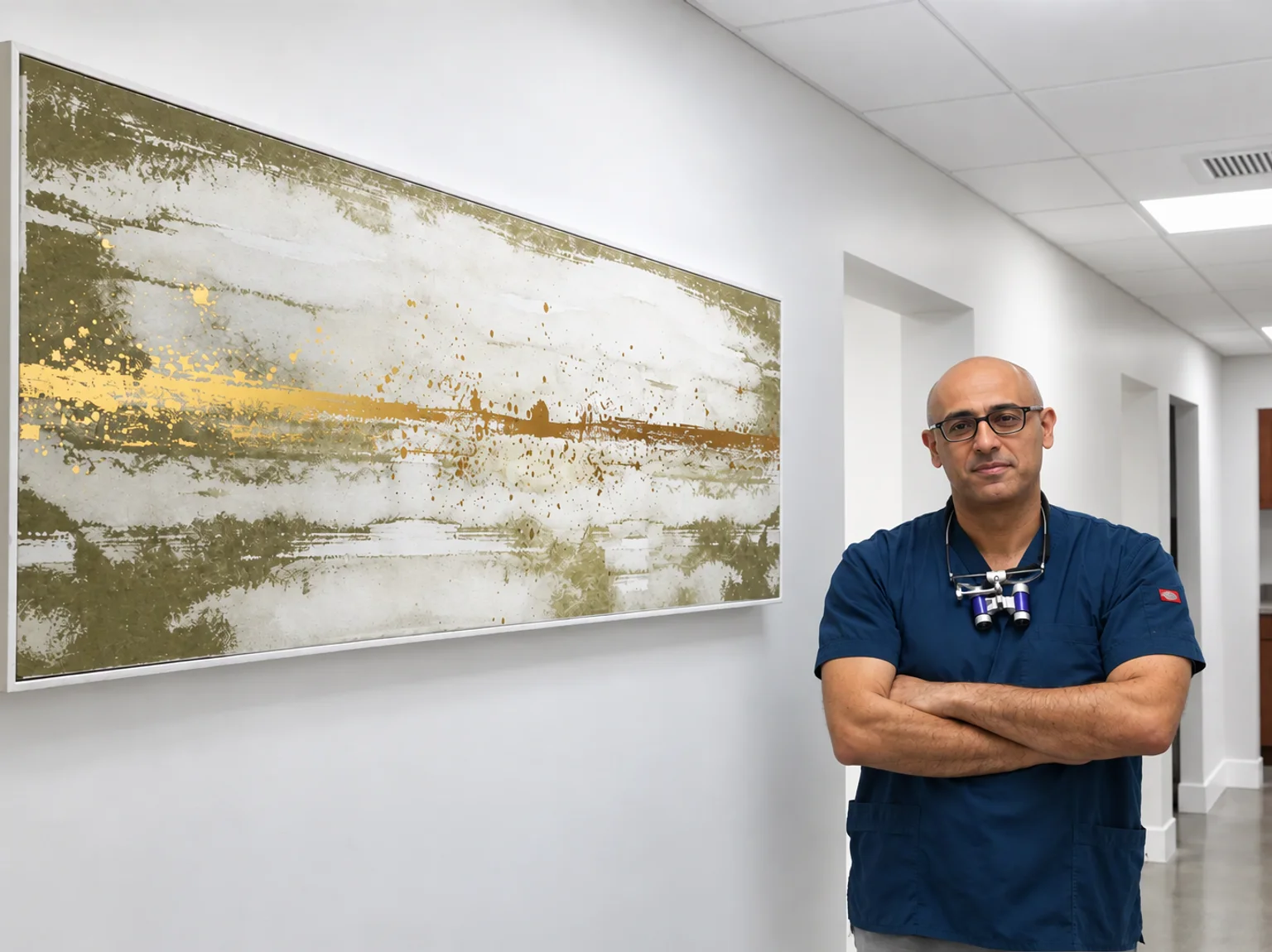
Meet Dr. Sami
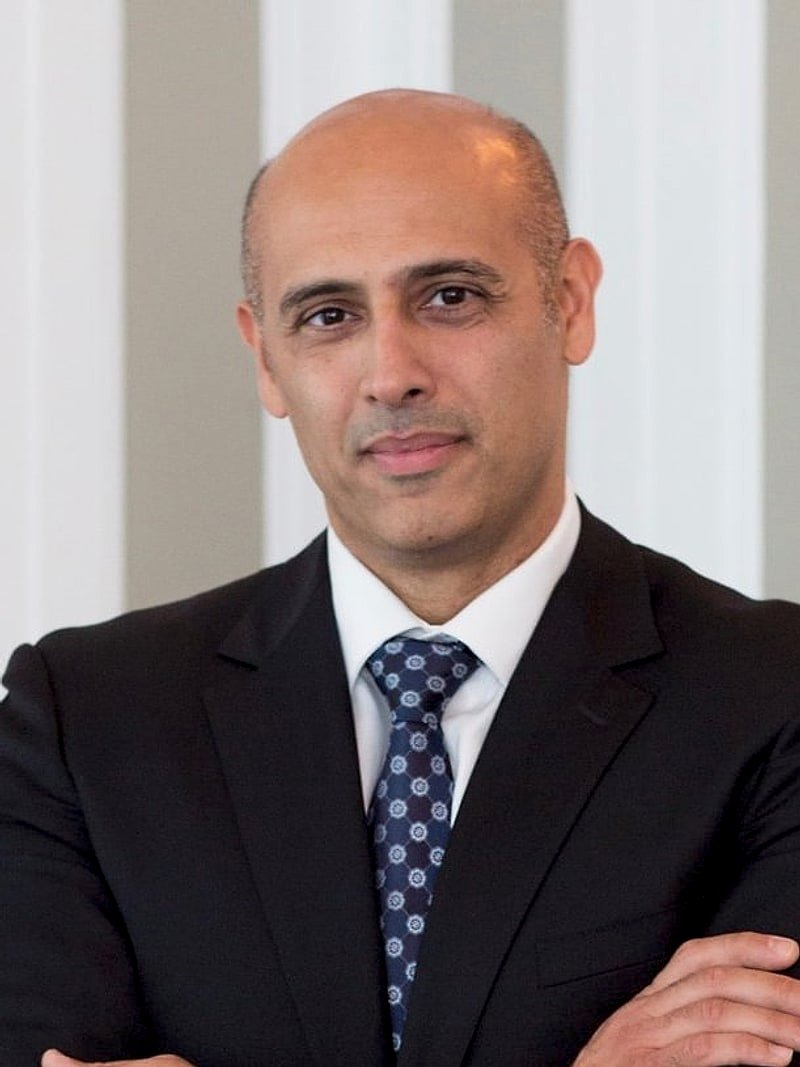
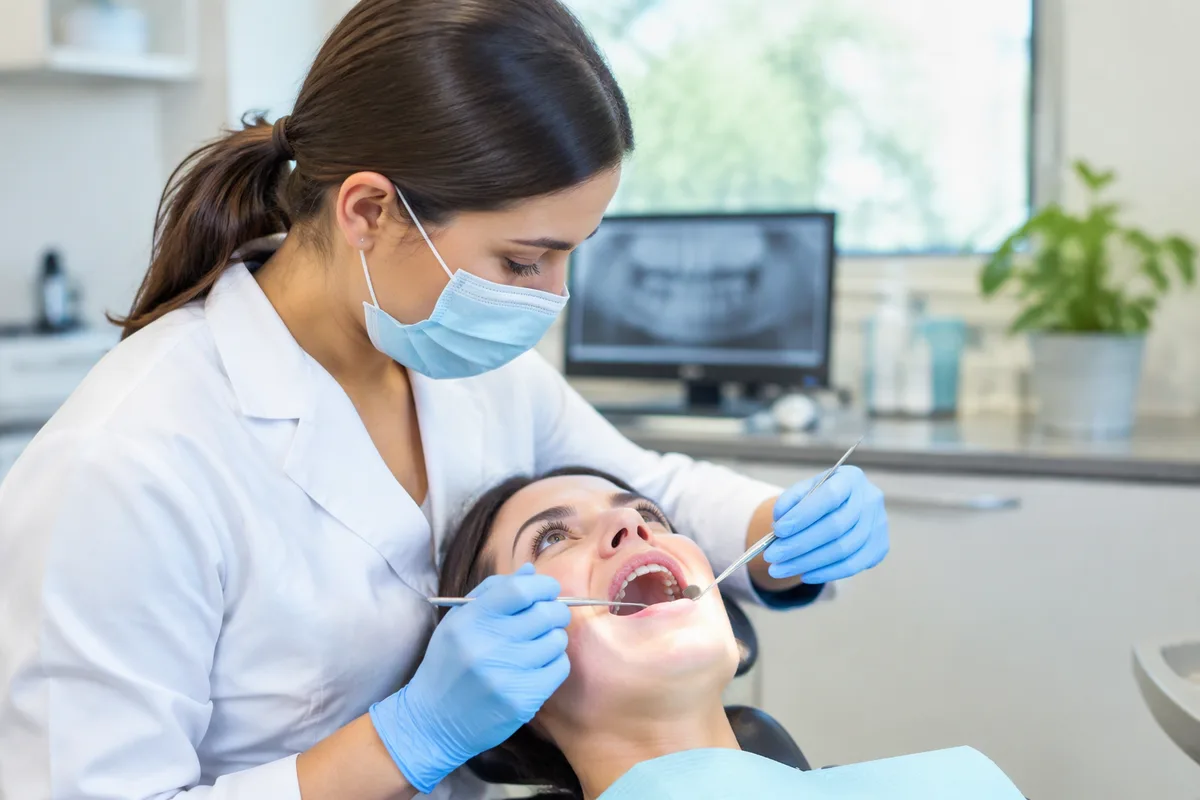
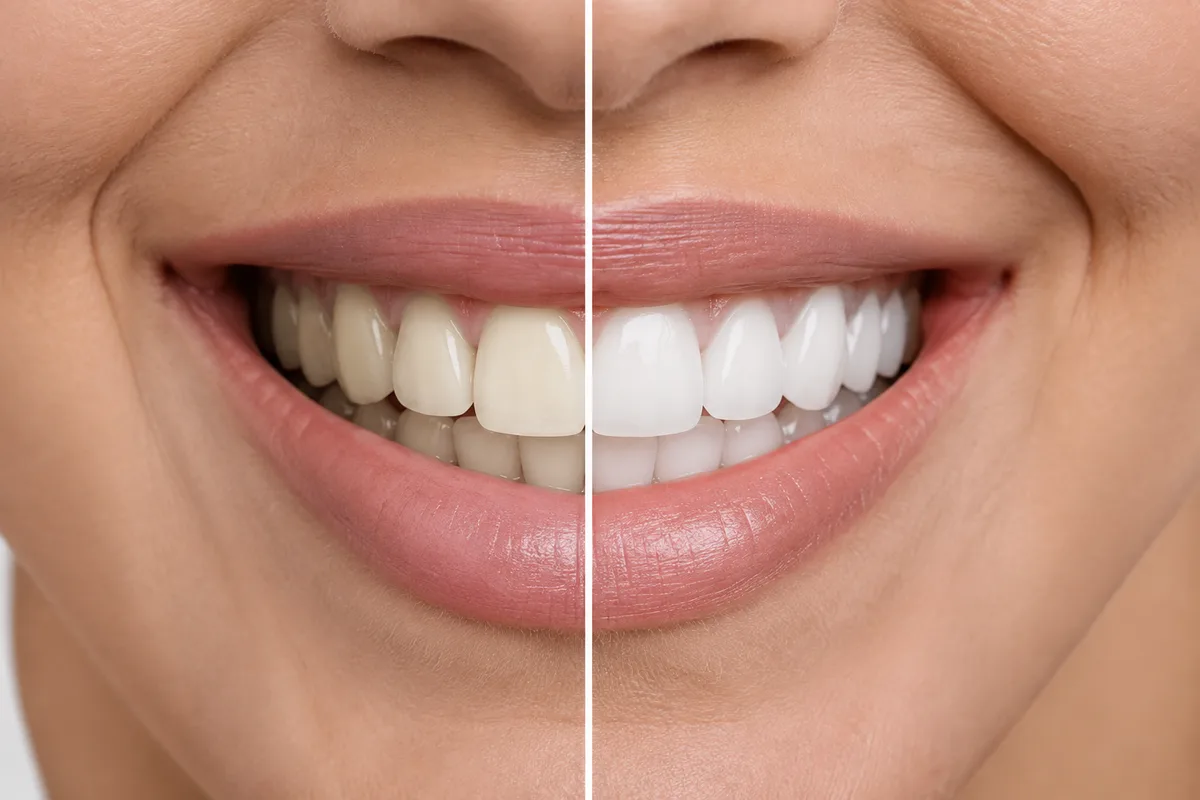
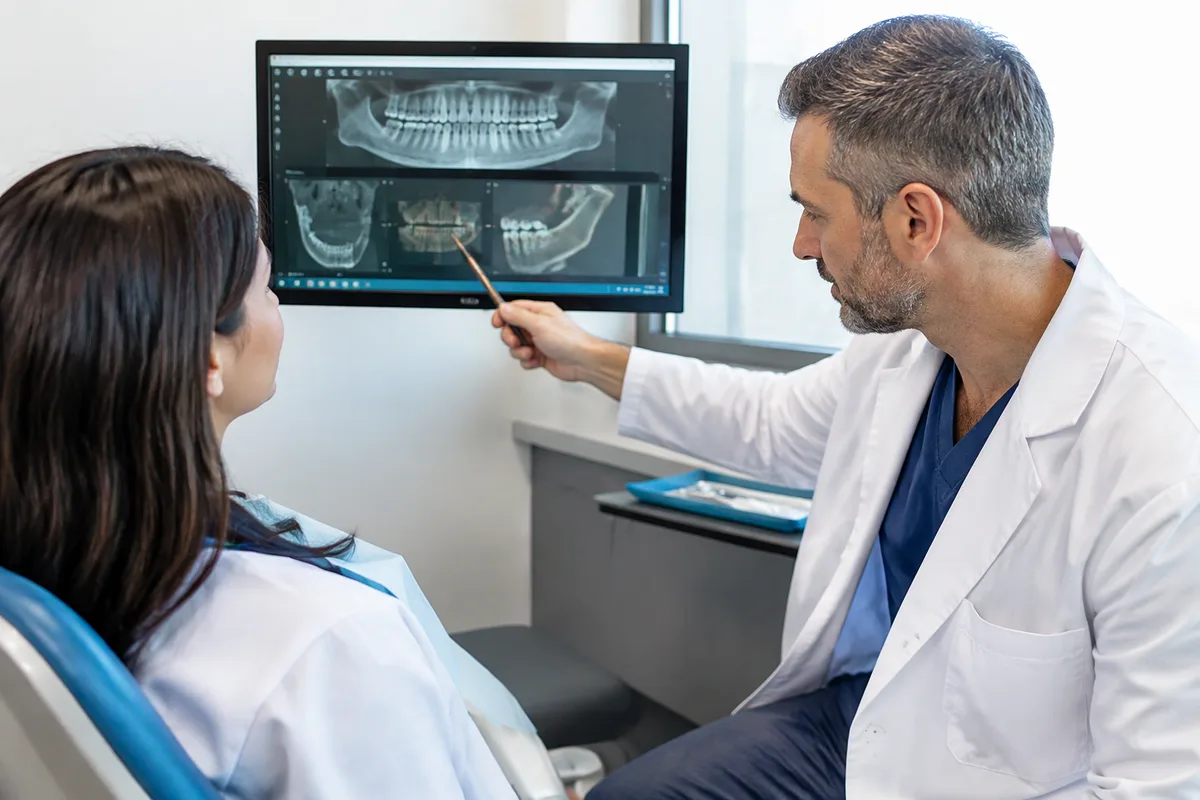
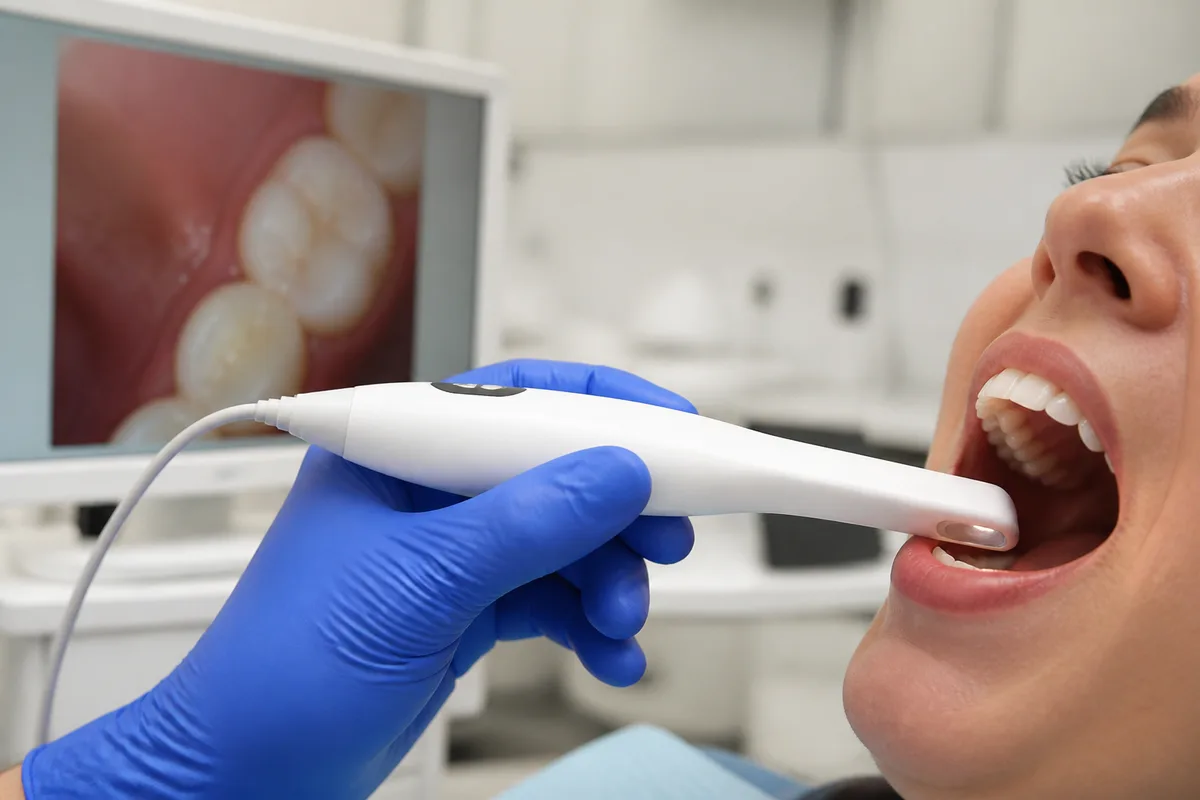
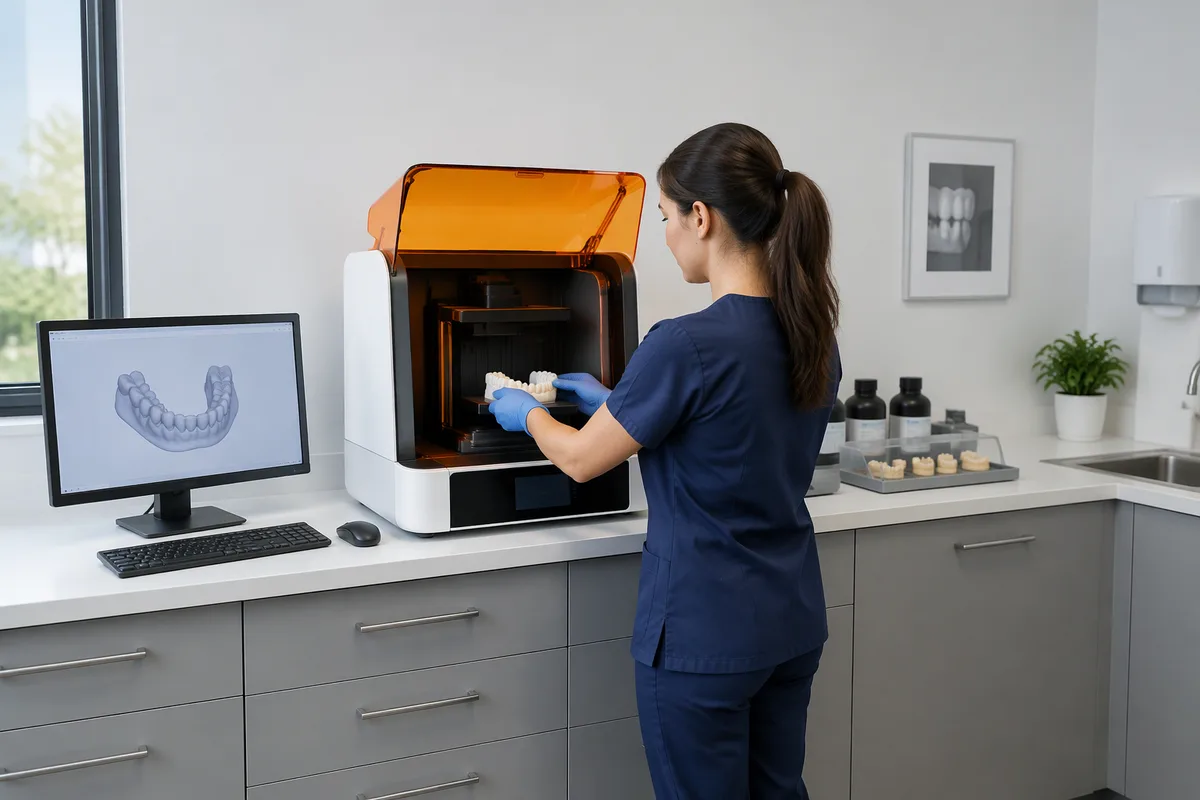
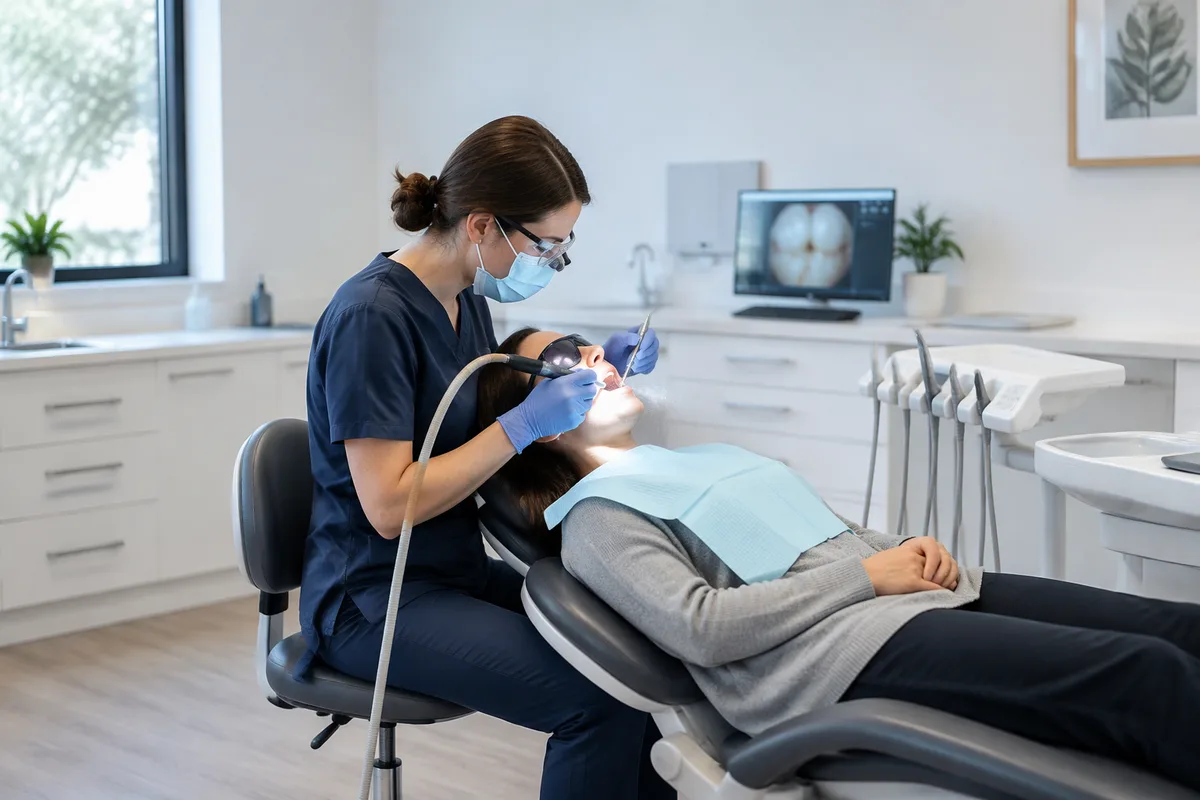
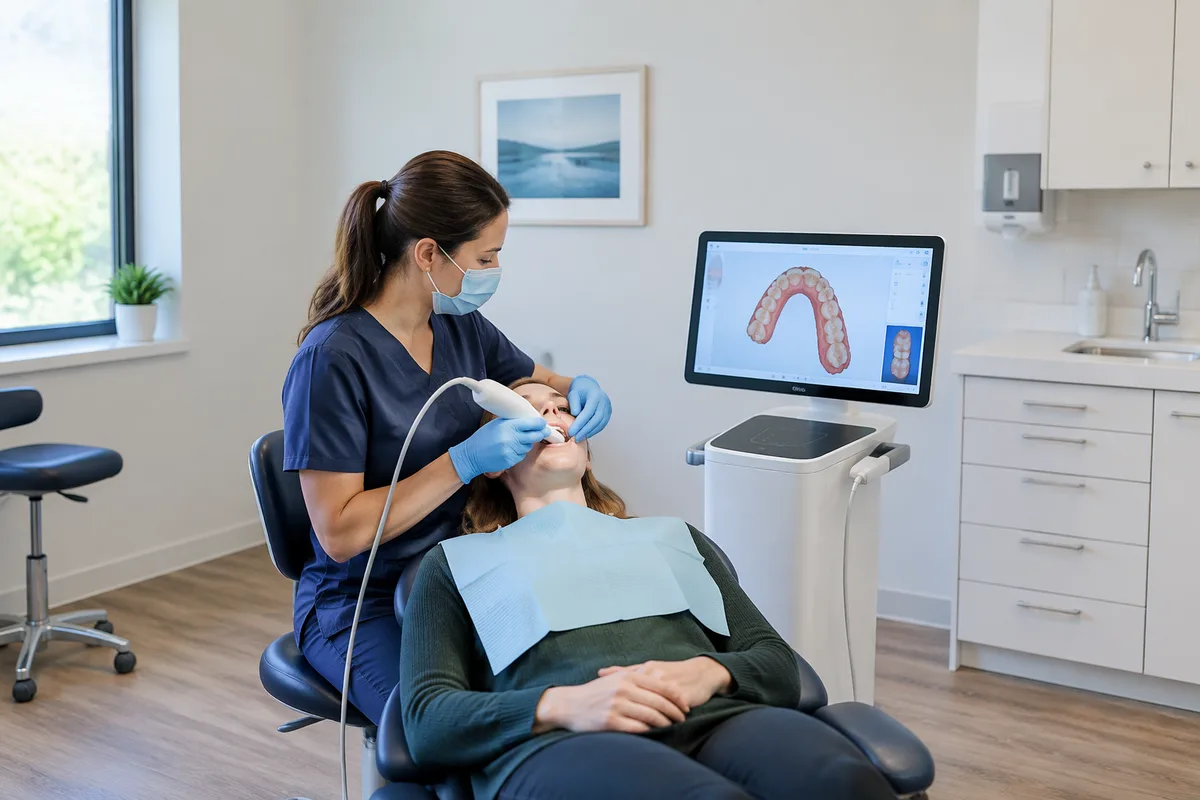
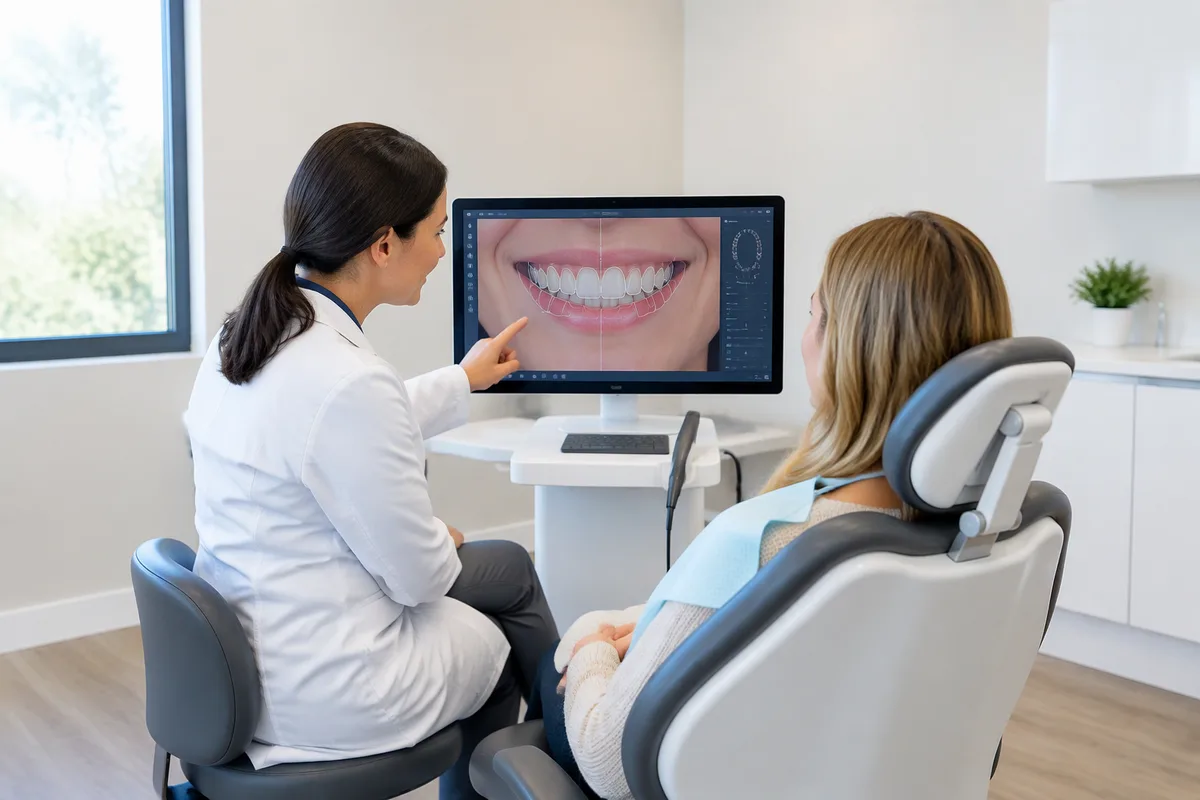
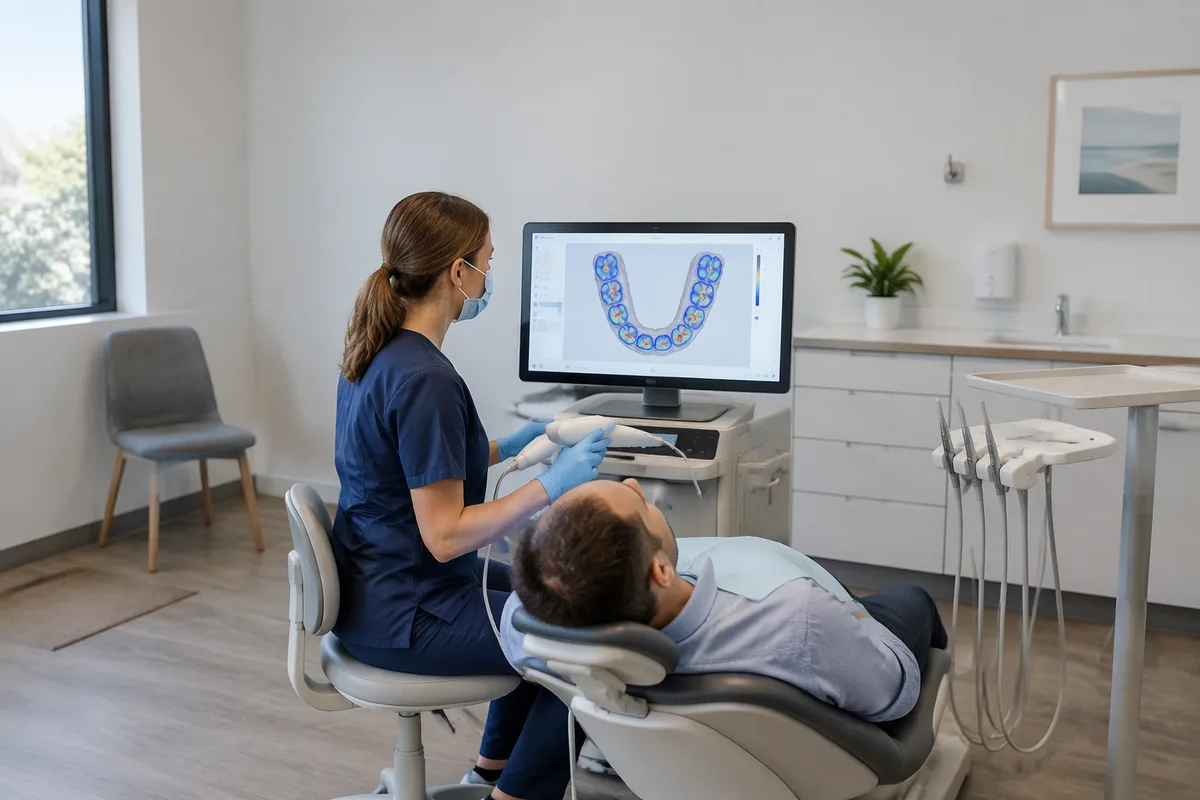
Dentistry runs in Dr. Hersel’s family, and several of his cousins work in the field. What drew him to it was the chance to use his hands to care for people. He brings an artistic eye to that work, which shows most in his focus areas: cosmetic dentistry and orthodontics. He uses digital dentistry, including digital scans and smile design, to plan each case precisely. That technology lets him offer same-day turnarounds that many patients won’t find elsewhere.
Dr. Hersel practices preventative, conservative and holistic dentistry. He wants to protect healthy teeth, treat only what is needed, and look at each patient’s oral health as part of their overall well-being. Every treatment plan he builds is tailored to the person in the chair. His goal is simple: that every patient leaves knowing they received the best possible care.
He is especially patient with people who feel nervous about the dentist. In his view, not everyone can manage every part of their oral health alone, and sometimes people just need someone to look out for them. Patients often say he has a gentle touch, and they describe him as caring and honest.
Outside the office, Dr. Hersel enjoys spending time with his kids, going for jogs, and taking road trips with his family.
Insurances We Accept
We process all insurance claims for your services on your behalf.





















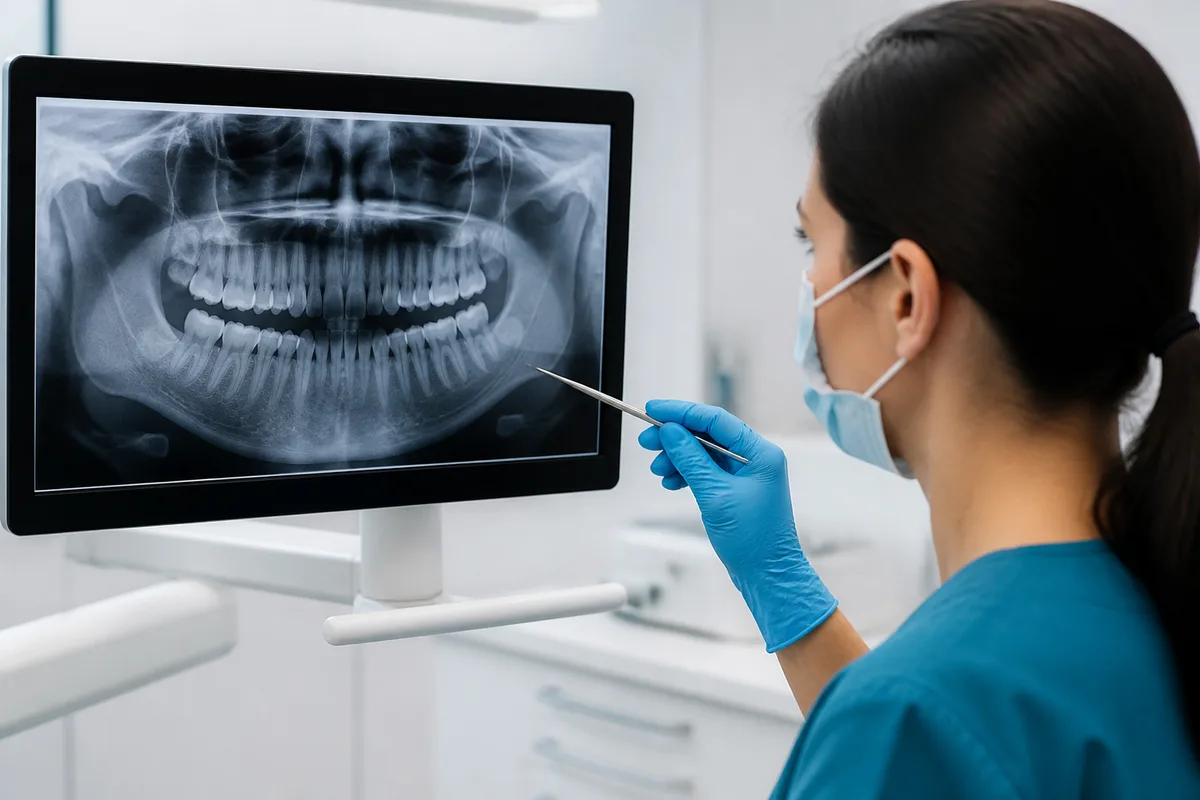
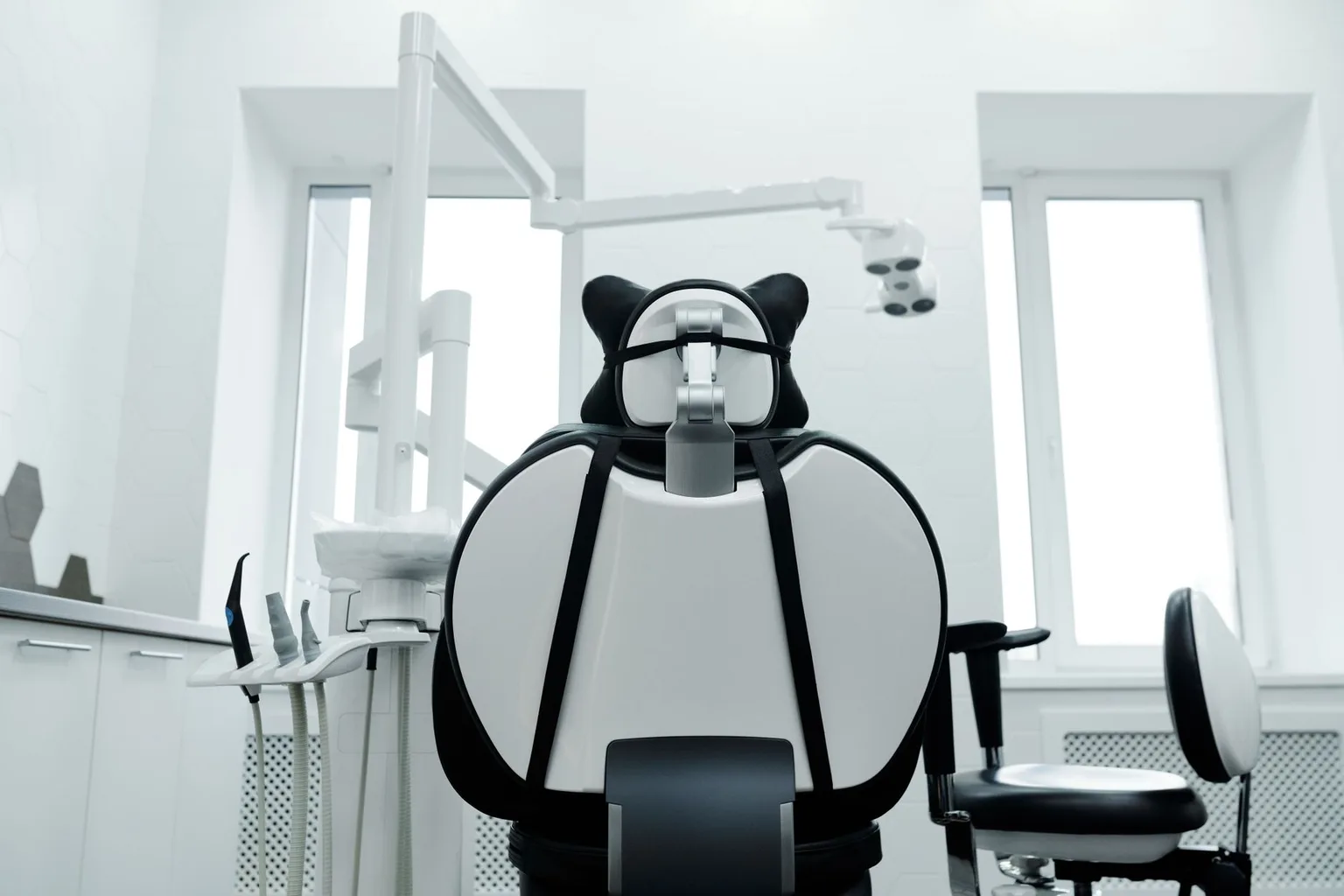
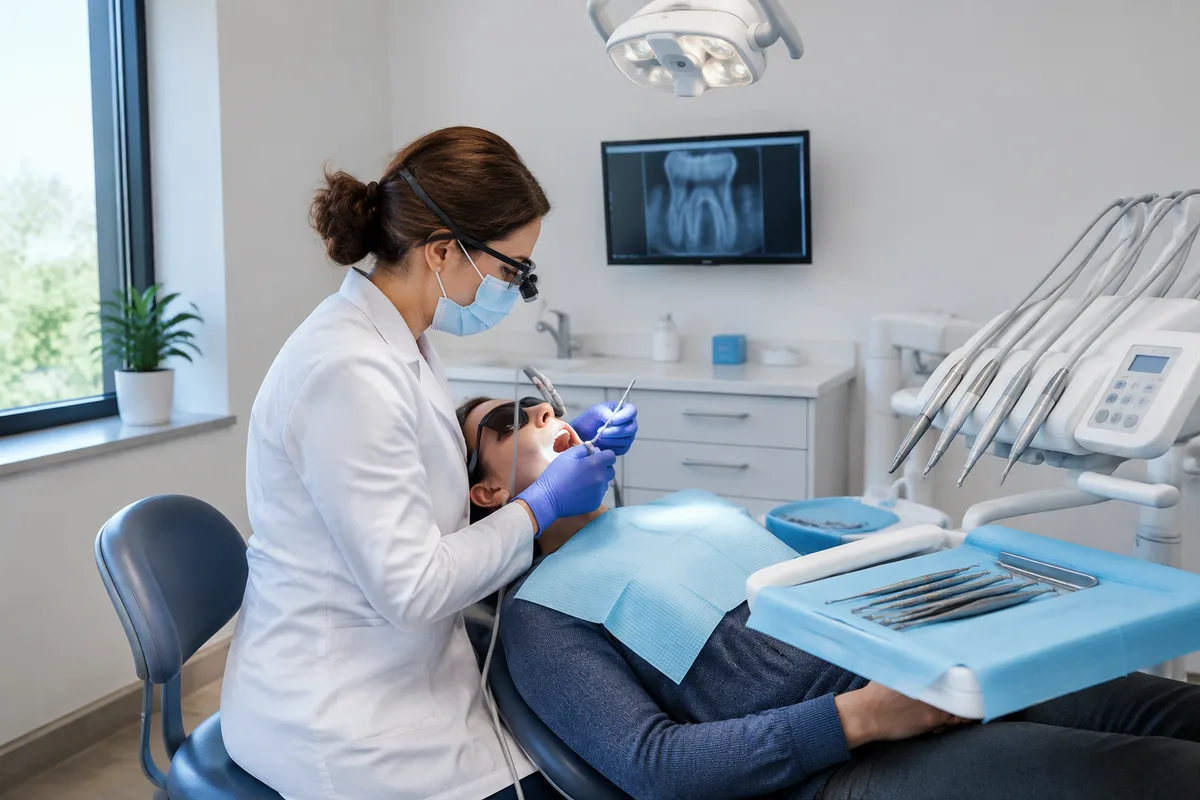
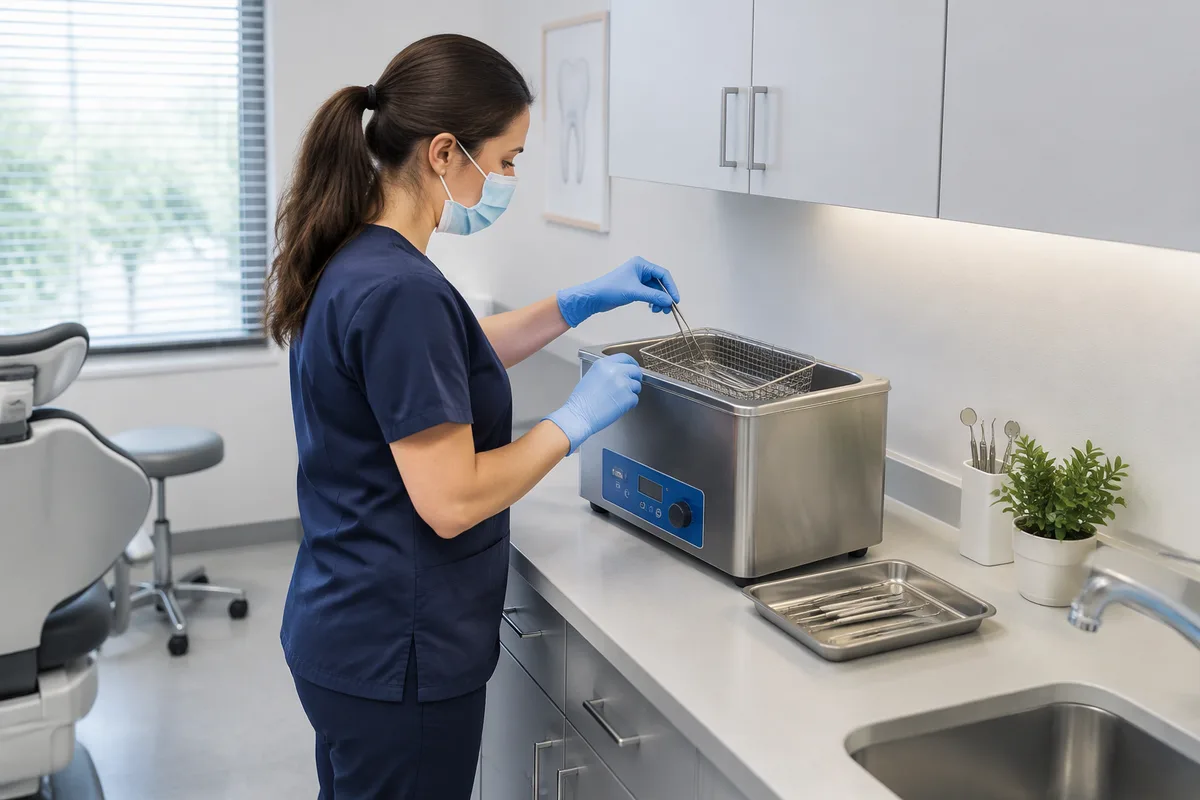
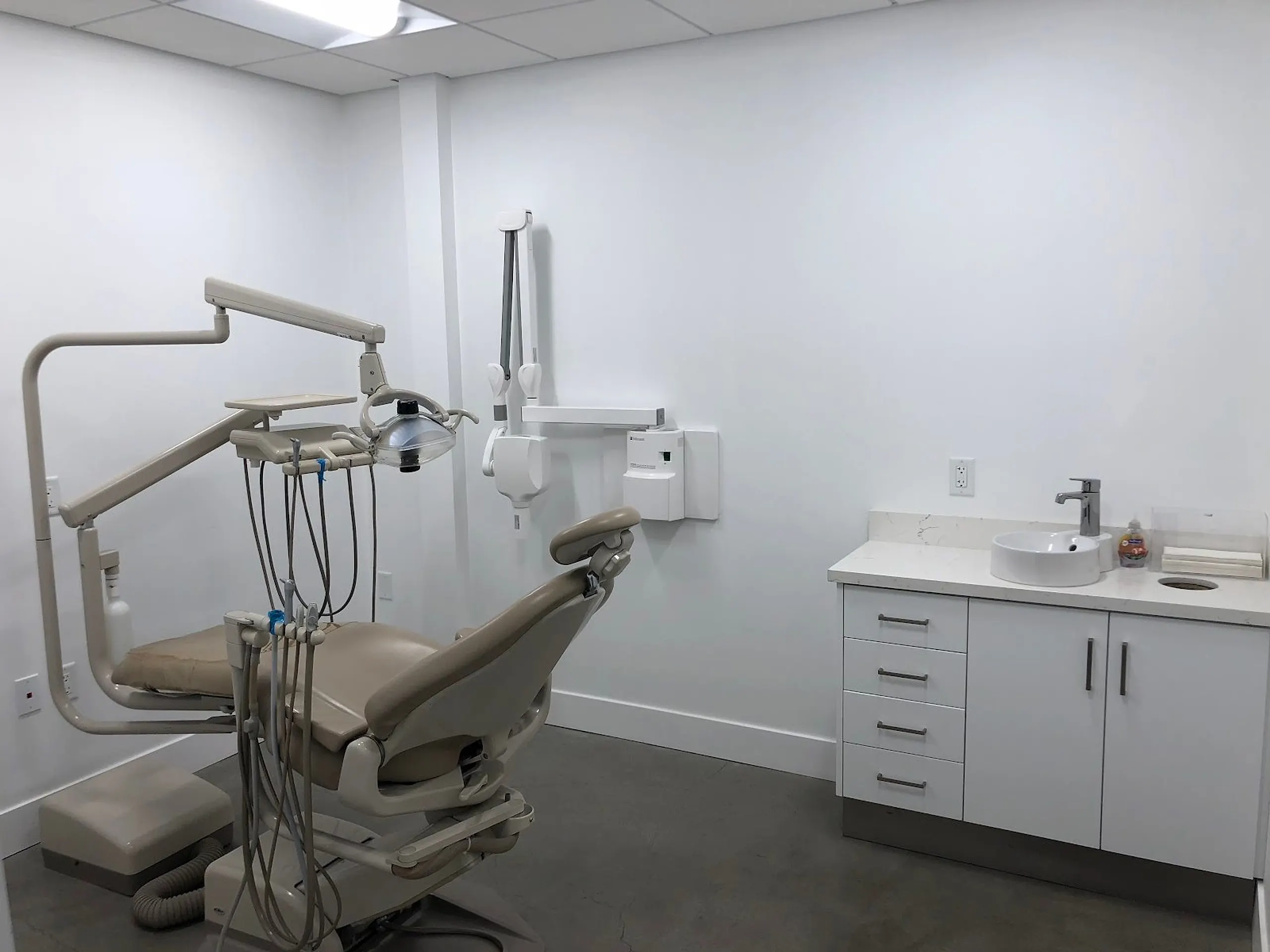
Our Modern Technology
5-Star Reviews
Gallery

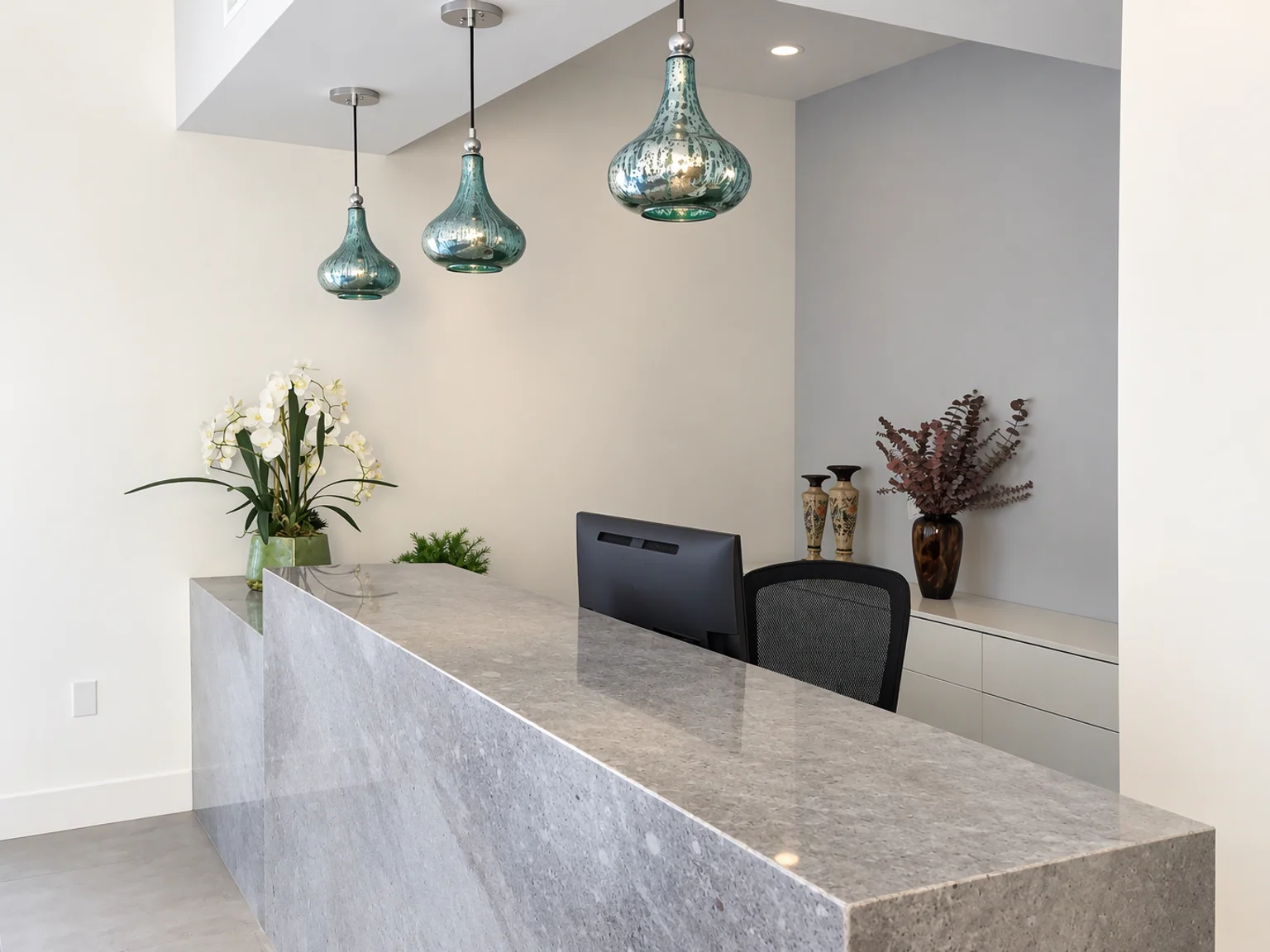
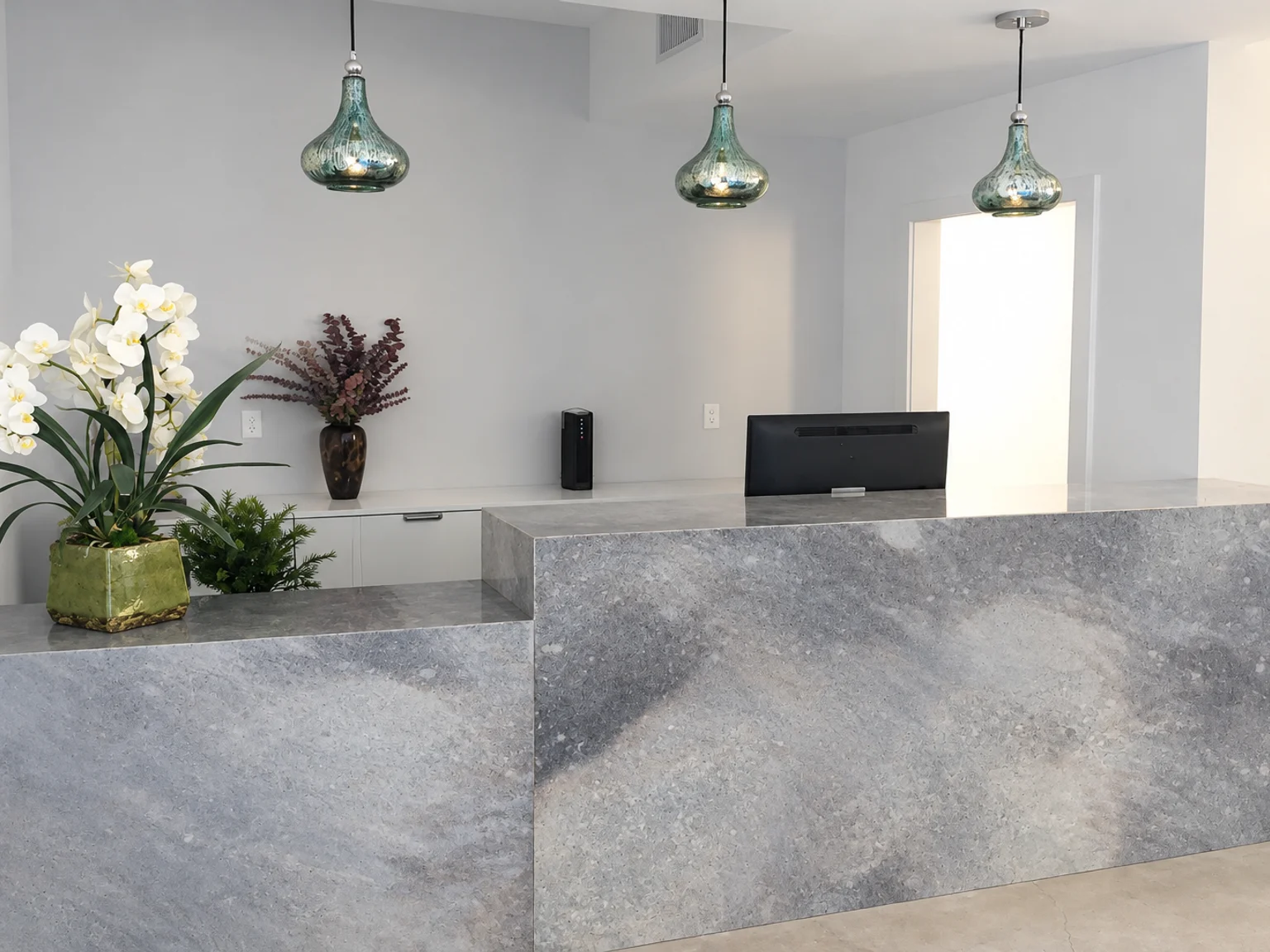

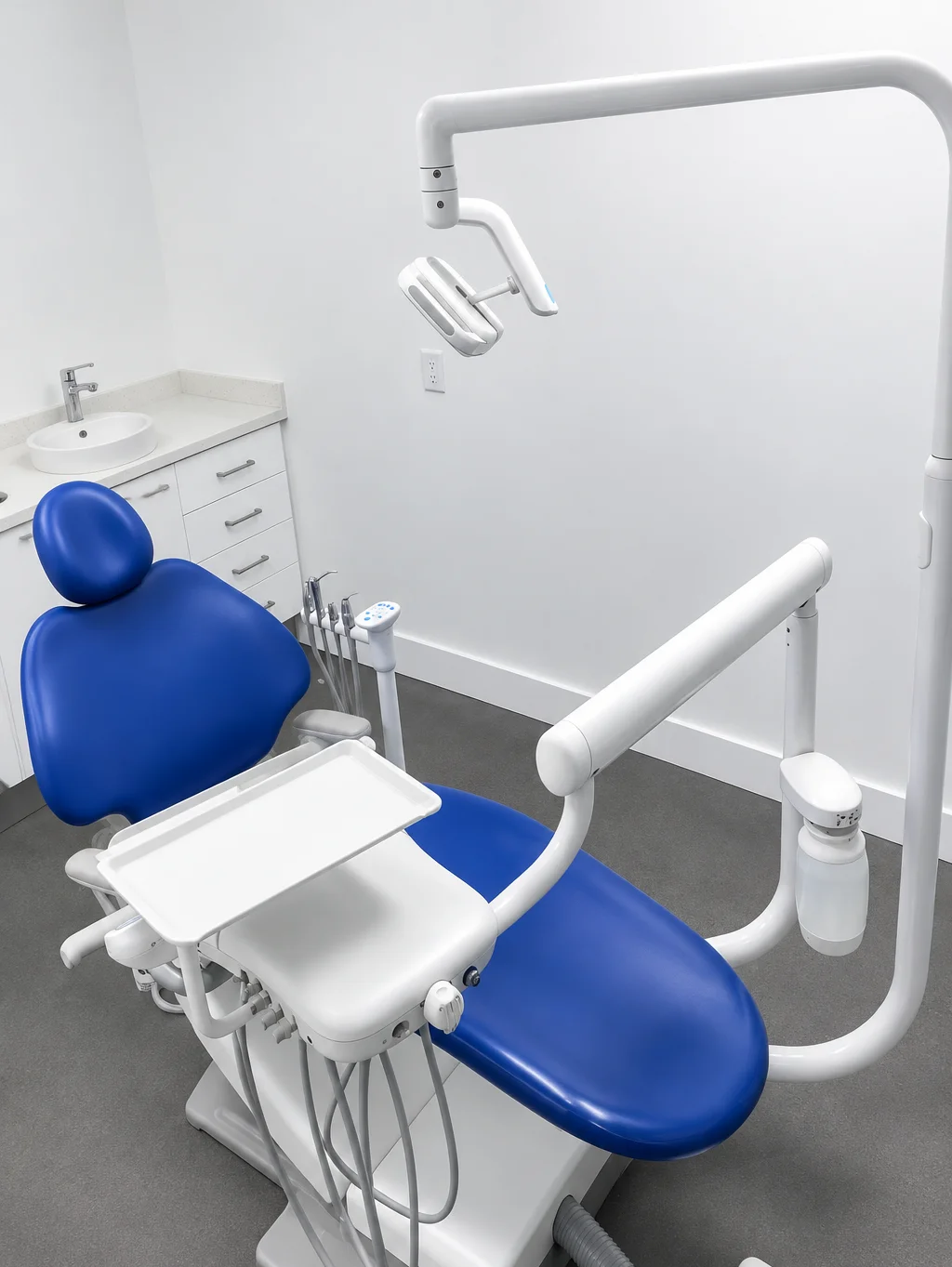
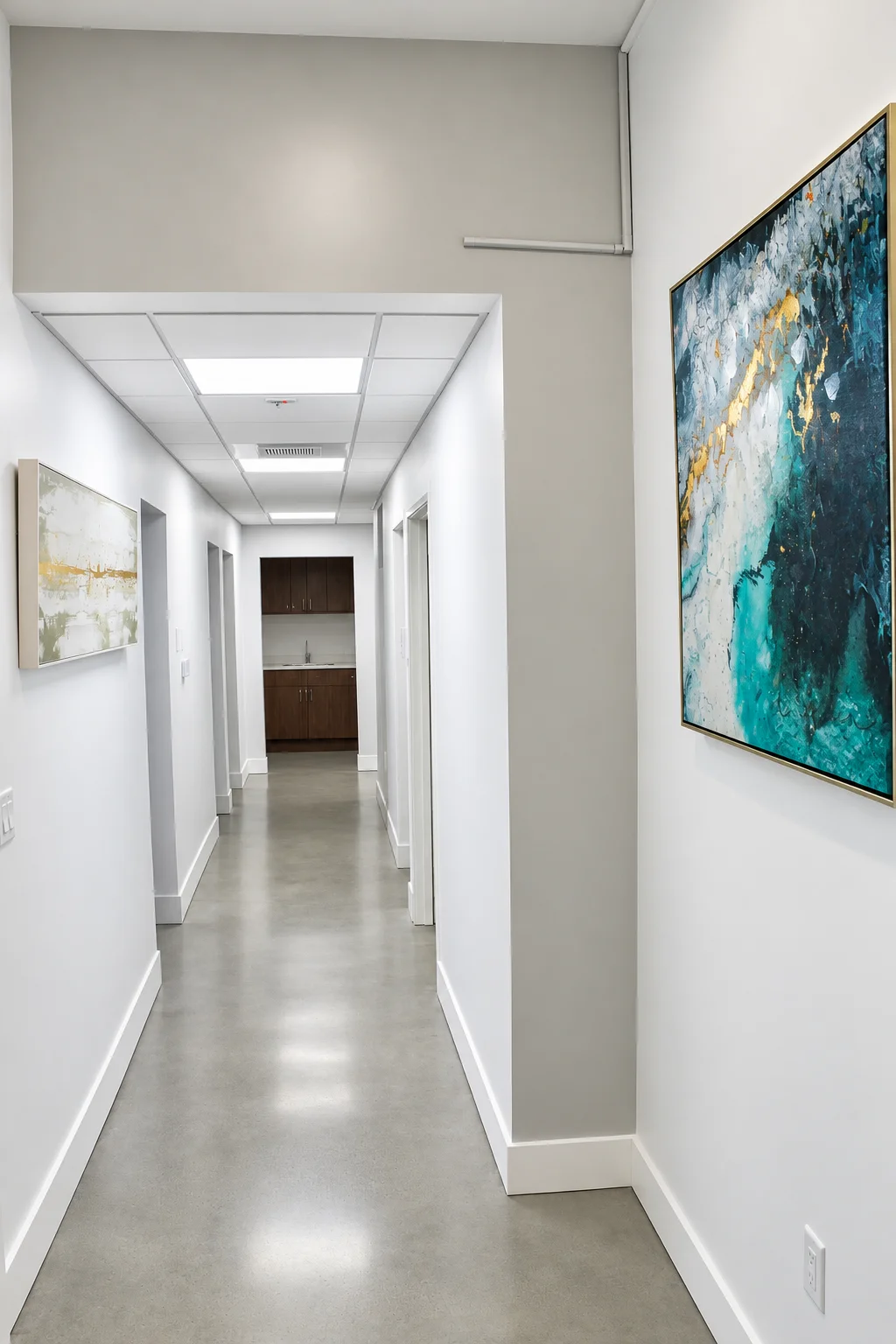
From Our Blog








FAQs

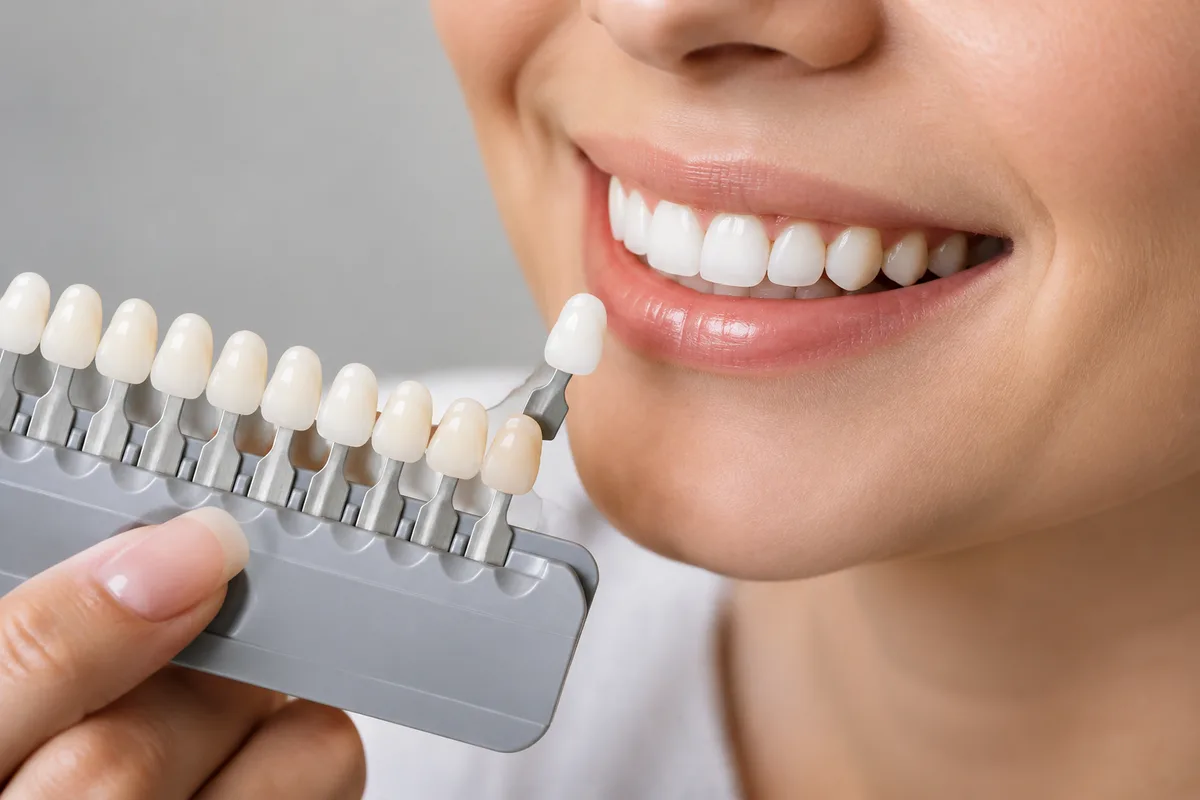
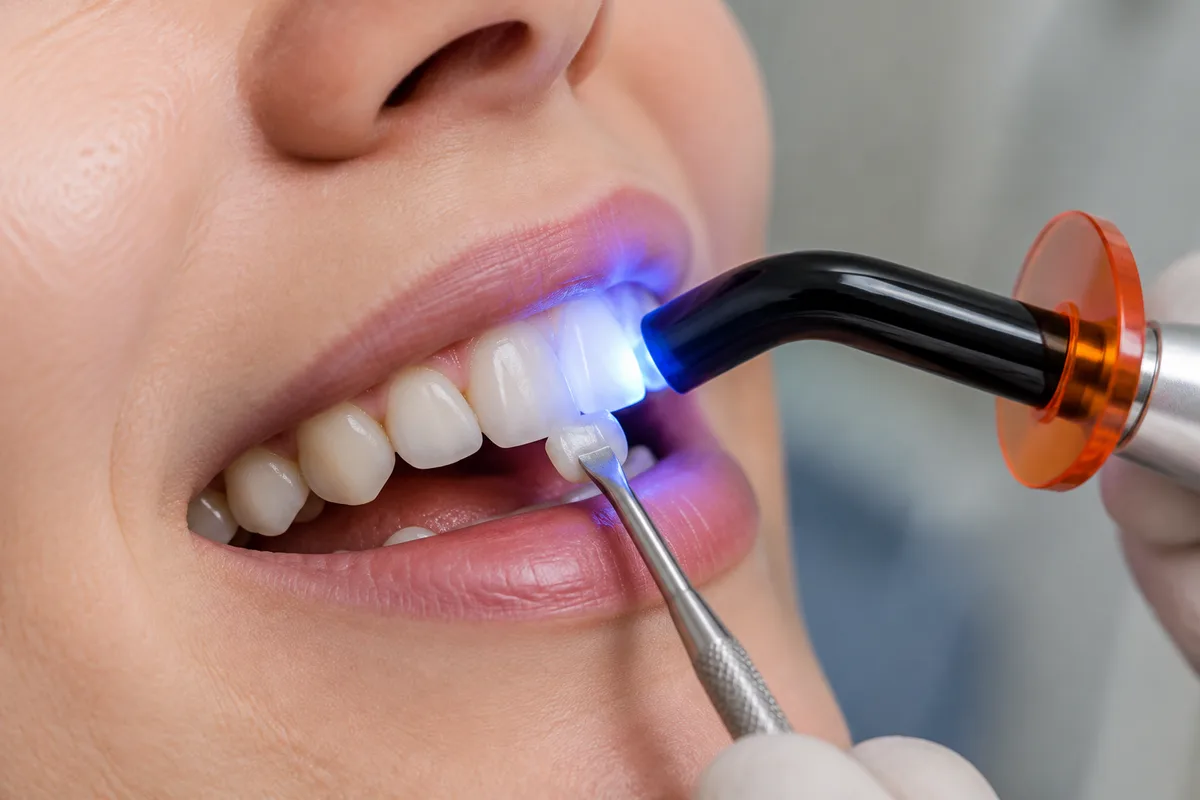
Yes. We start both veneers and bonding with a consultation to determine the appropriate treatment. For veneers, we also check that your teeth are healthy and address any problems before proceeding.
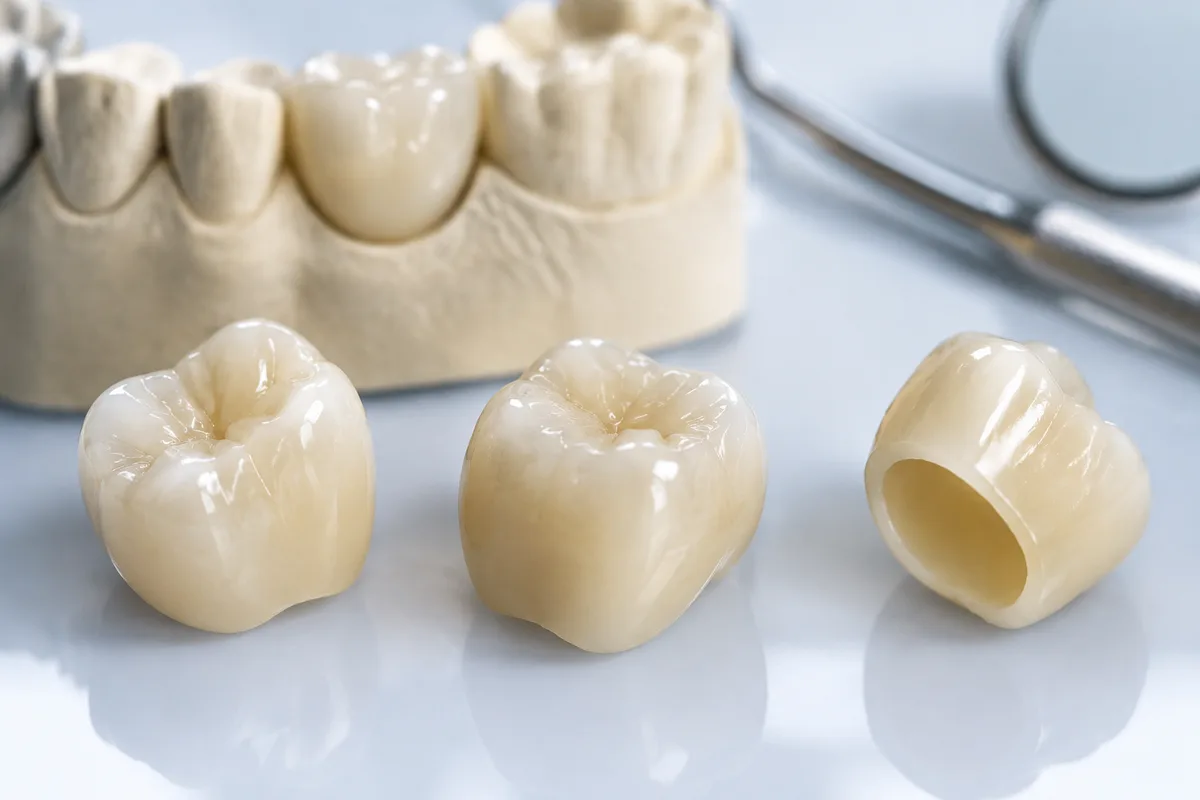
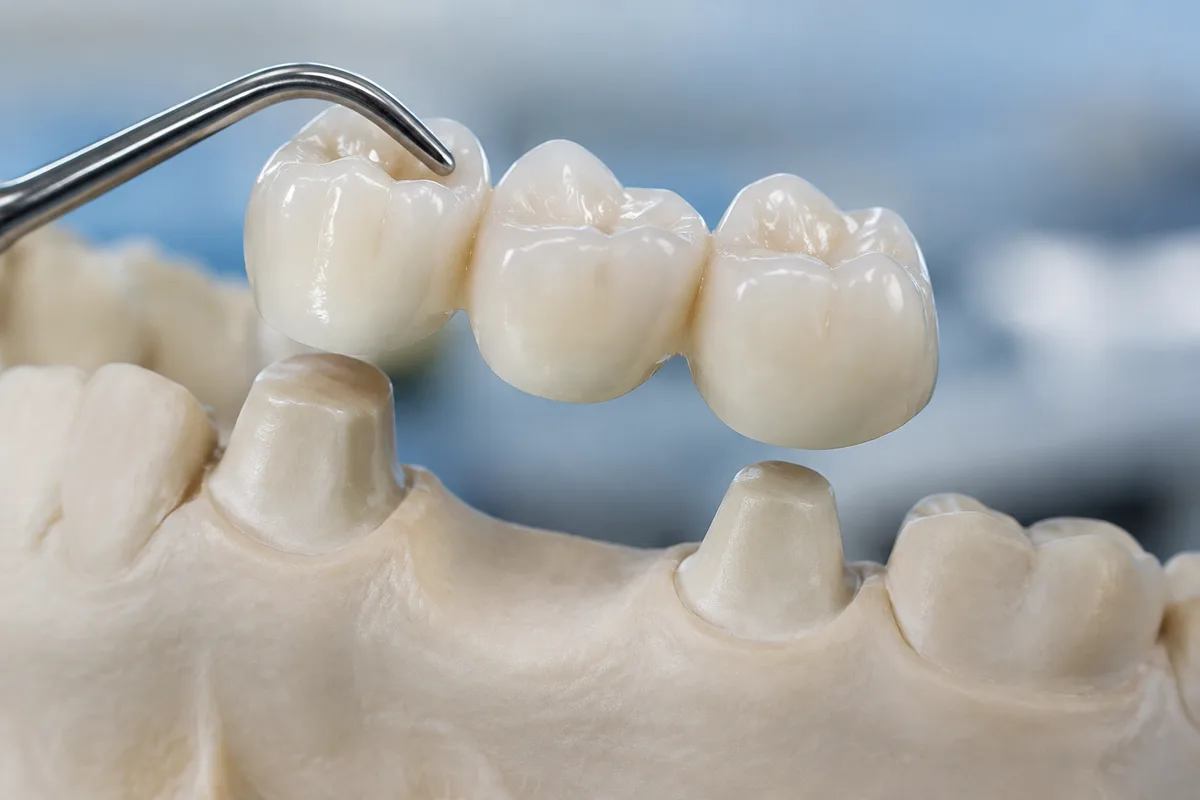
No. Our crown treatment takes several visits. We send an impression to a lab, which can take up to a couple of weeks to make the crown, and provide a temporary crown while you wait.
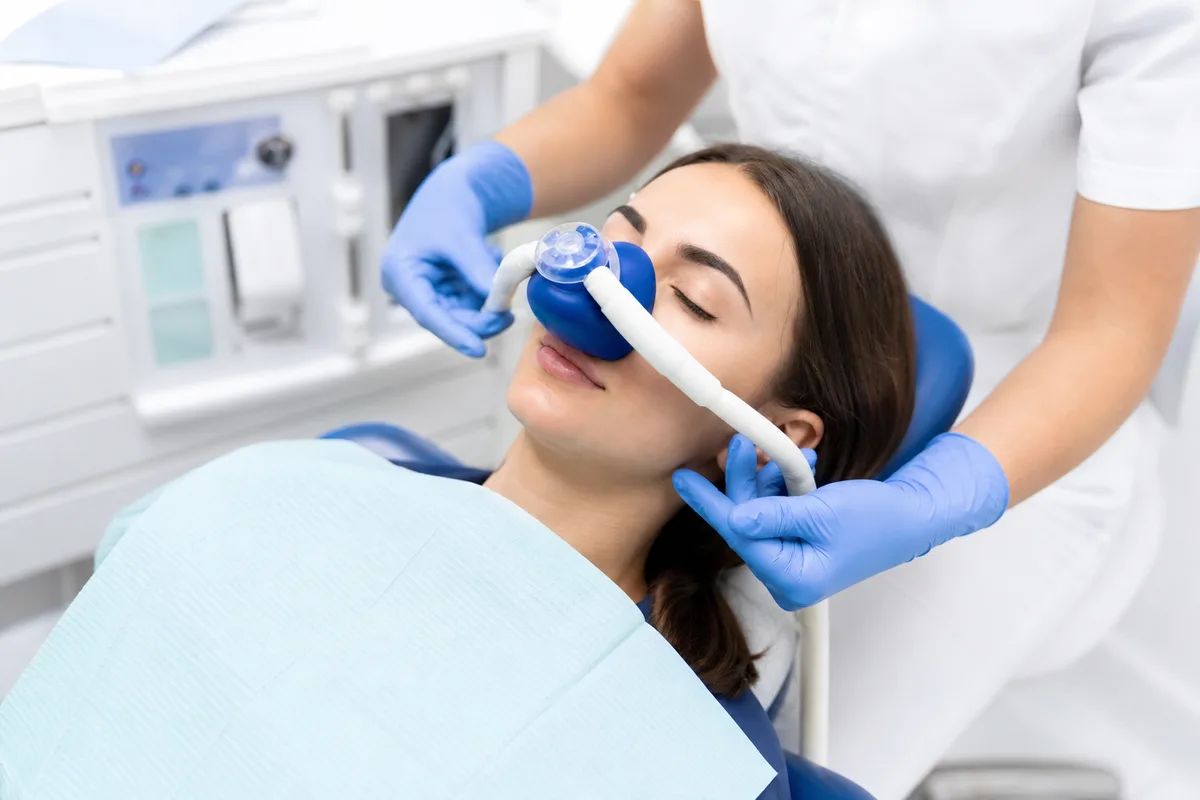
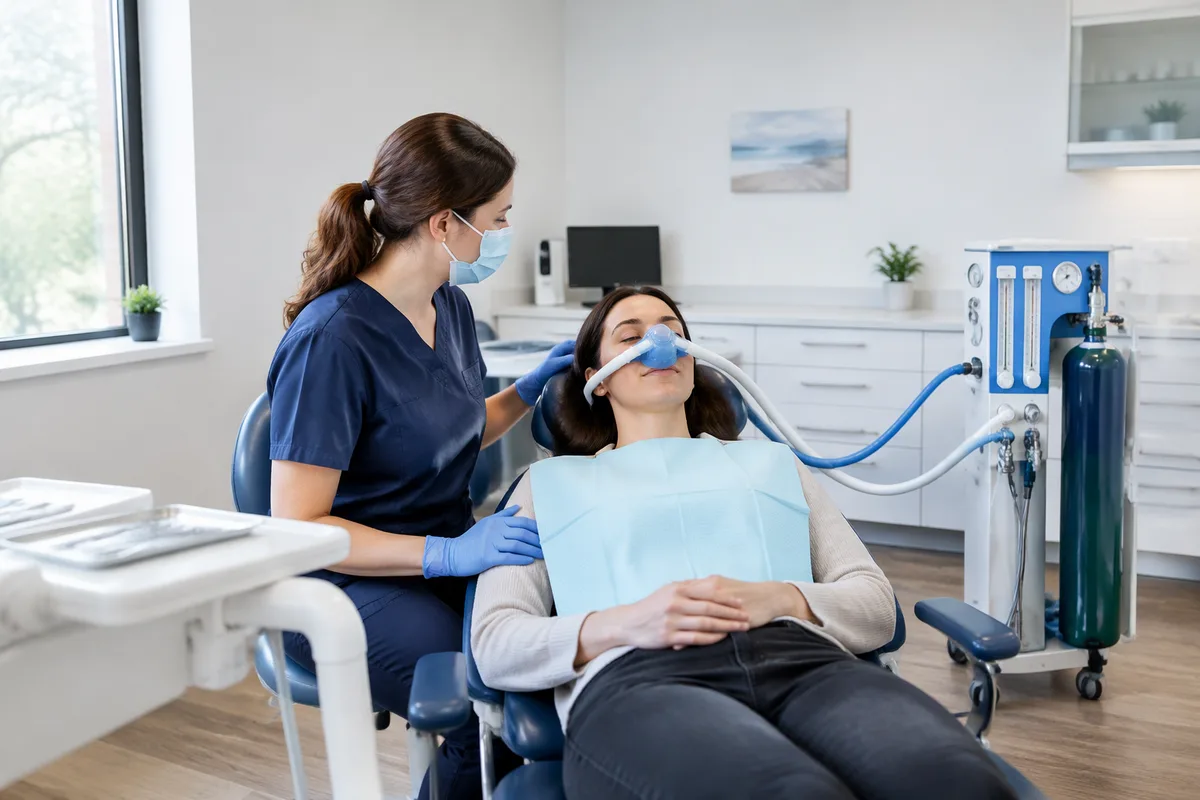
Yes. Sedation dentistry is available for patients with phobias of dental tools and needles, anxiety or panic disorders, a sensitive gag reflex and more. Your dentist will go over the types of sedation they offer, and together you will come up with the best solution.
Most people do well with a checkup and cleaning every six months. Some people need to come more often, for example with a history of gum disease, and your dentist will tell you if that's you.
Most people feel some pressure and mild discomfort at most. Sensitive teeth or inflamed gums can make it less comfortable, so say so during the cleaning and the hygienist can adjust.
Call right away: a tooth seen within an hour has the best chance of being saved. Hold it by the crown, not the root, rinse it gently without scrubbing, and keep it in milk on the way. For heavy bleeding or a head injury, call 911.
Bleeding gums are often an early sign of gum inflammation from plaque along the gumline. Gentle brushing twice a day and daily flossing often help within a couple of weeks. If the bleeding doesn't stop, book a visit so it can be checked.
Sensitivity to hot, cold or sweet things can come from worn enamel, exposed roots, a cavity or a cracked tooth. A toothpaste made for sensitive teeth helps many people, but sensitivity that lasts or gets worse is worth having looked at.
The American Dental Association recommends a first visit by a child's first birthday, or within six months of the first tooth. Early visits are short and mostly about getting comfortable.
Dental X-rays use a very low dose of radiation and are taken only when needed to see what an exam can't, such as decay between teeth. Tell us if you are or might be pregnant.
Yes. Routine dental care is safe during pregnancy, and pregnancy can make gums more prone to inflammation. Let us know you're pregnant so your care can be planned around it.
A filling repairs a smaller area of decay inside a tooth. A crown covers the whole visible tooth and is used when too much of it is damaged for a filling to hold. Your dentist will explain which one a tooth needs and why.
Brush twice a day with fluoride toothpaste, clean between your teeth once a day, and keep sugary snacks and drinks to mealtimes. Replace your toothbrush every three to four months, or sooner if the bristles fray.
Severe pain, a broken or knocked-out tooth, swelling in your face or jaw, or bleeding that won't stop are reasons to call right away. Swelling that makes it hard to breathe or swallow needs emergency care: call 911.
Call us and tell us what the visit is for, so the right amount of time is set aside. If you're not sure what you need, describe what's going on and we'll help you choose.
