Modern Root Canal Instruments
Modern Root Canal Instruments
Root canal therapy treats the inside of a tooth when its nerve and pulp tissue become infected or inflamed. The instruments used for this work have improved a great deal over the years. This page explains what modern root canal instruments are, how they fit into care at Brilliant Dental Group in Burbank, and what a visit can look like.
What modern Root Canal Instruments is
Inside every tooth is a hollow space called the root canal system. It holds the pulp, a soft tissue of nerves and blood vessels. When deep decay, a crack, or repeated dental work lets bacteria reach the pulp, the tooth can become painful or infected. Root canal therapy removes the damaged tissue, cleans and shapes the canals, and seals them so the tooth can stay in place.
The tools for this job are small, flexible instruments made to follow the narrow, curved shape of the canals. Modern root canal instruments generally include:
- Fine files — slender instruments that clear out infected tissue and shape the canal. Many are made from flexible metal alloys that bend with the canal's curves.
- Irrigation solutions — disinfecting rinses that clean areas the files cannot reach.
- Length-measuring tools — devices and imaging that help the dentist work to the correct depth.
- Filling and sealing materials — biocompatible materials that fill the cleaned canal to help keep bacteria out.
Older, stiffer instruments made shaping curved canals harder and the work slower. Today's more flexible instruments and better imaging help dentists treat these small, complex spaces with more precision.
How we use it at Brilliant Dental Group
Root Canal Therapy is one of the services we offer. Dr. Sami Hersel, our dentist, has training in restorative and general dentistry and is known for his patience and bedside manner. He also emphasizes educating patients, so you can expect an explanation of what is happening with your tooth.
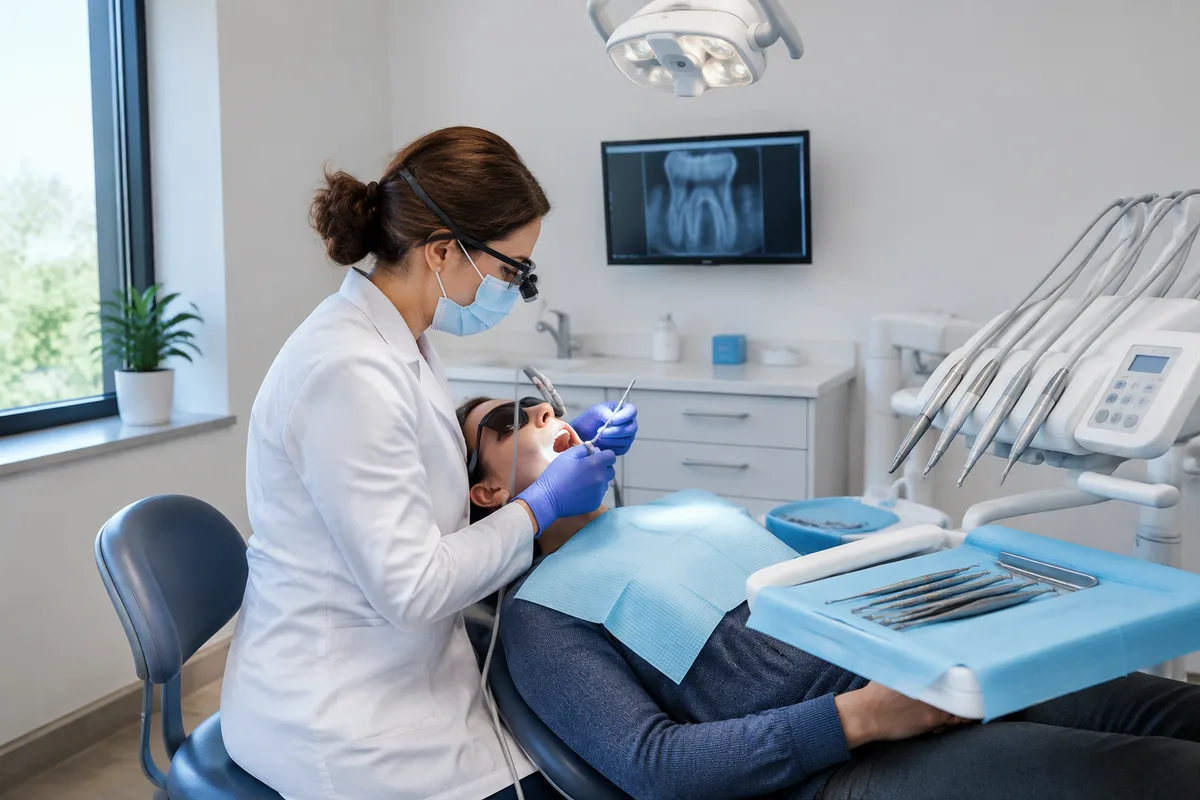
Imaging matters in root canal care. Digital X-rays are included in our comprehensive dental examination. They let us see what is going on inside your teeth and gums without cutting them open to look. For a tooth with a suspected infection, this kind of view helps show the problem area and the shape of the roots.
Our team supports patients through care. If you feel anxious about dental treatment, ask us about sedation dentistry, which is also on our list of services.
What it means for you
The benefits of modern root canal instruments are general ones that patients can expect from current techniques:
- Saving your natural tooth — treating the inside of the tooth can often let you keep it instead of extracting it.
- Precision — flexible instruments and good imaging help the dentist clean the canals thoroughly.
- Relief from infection — removing inflamed or infected pulp addresses the source of the pain.
- Clear communication — images help your dentist show you what they see and explain your options.
A tooth that has had a root canal usually needs a lasting restoration afterward, often a filling or a dental crown, to protect it.
What to expect during your visit
Before treatment, your dentist reviews your symptoms and examines the tooth. X-rays show the roots and the surrounding bone. You can ask about the plan, the number of visits, and any fees before you begin.
During treatment, the area is generally numbed so you stay comfortable. The dentist makes a small opening in the top of the tooth, removes the damaged pulp, cleans and shapes the canals, and seals them. Most people feel pressure and vibration but not sharp pain. Appointment length varies with the tooth and how complex its canals are, and some cases take more than one visit.
Afterward, the numbness wears off after a few hours, so avoid chewing on that side until it does. Mild tenderness for a few days is common and is often managed with over-the-counter pain relievers, if your dentist approves. Brush and floss as usual, and plan the follow-up restoration your dentist recommends. Call us if you notice swelling, a fever, or pain that gets worse.
Frequently asked questions
Is a root canal safe?
Root canal therapy is a long-established, widely performed dental procedure. It removes infected tissue so the infection does not spread or keep damaging the tooth and surrounding bone. Your dentist will review your health history and answer questions beforehand.
Will it hurt?
The tooth is generally numbed before the work begins, so most patients feel pressure rather than pain. The pain people associate with root canals usually comes from the infection itself, not the treatment. If you are nervous, talk with our team about your options, including sedation dentistry.
How long does a root canal take?
The time depends on which tooth is treated, how many canals it has, and whether infection is present. Front teeth usually have simpler canals than molars. Your dentist can tell you what to expect once they have examined the tooth and reviewed the X-rays.
Who needs a root canal?
People with a deeply decayed, cracked, or injured tooth, or one with lingering sensitivity to heat or cold, swelling, or a pimple-like bump on the gum, may need one. Only an exam and X-rays can confirm it. Do not wait on these symptoms, because infections rarely resolve on their own.
If you have tooth pain or want to learn more about root canal therapy, contact Brilliant Dental Group to schedule a visit and talk with our team.
This content is for general information only and isn't dental or medical advice. Talk with your dentist or orthodontist about your own situation. If you have a medical emergency, call 911.